" transform="translate(18 8)" width="28.14240163179204px"/></svg>)
Beyond Hue: How to Use Color Psychology in Your Designs
Discover how color psychology influences mood and user action, and learn the meanings behind key colors.
Posted At
Posted On
Color Theory
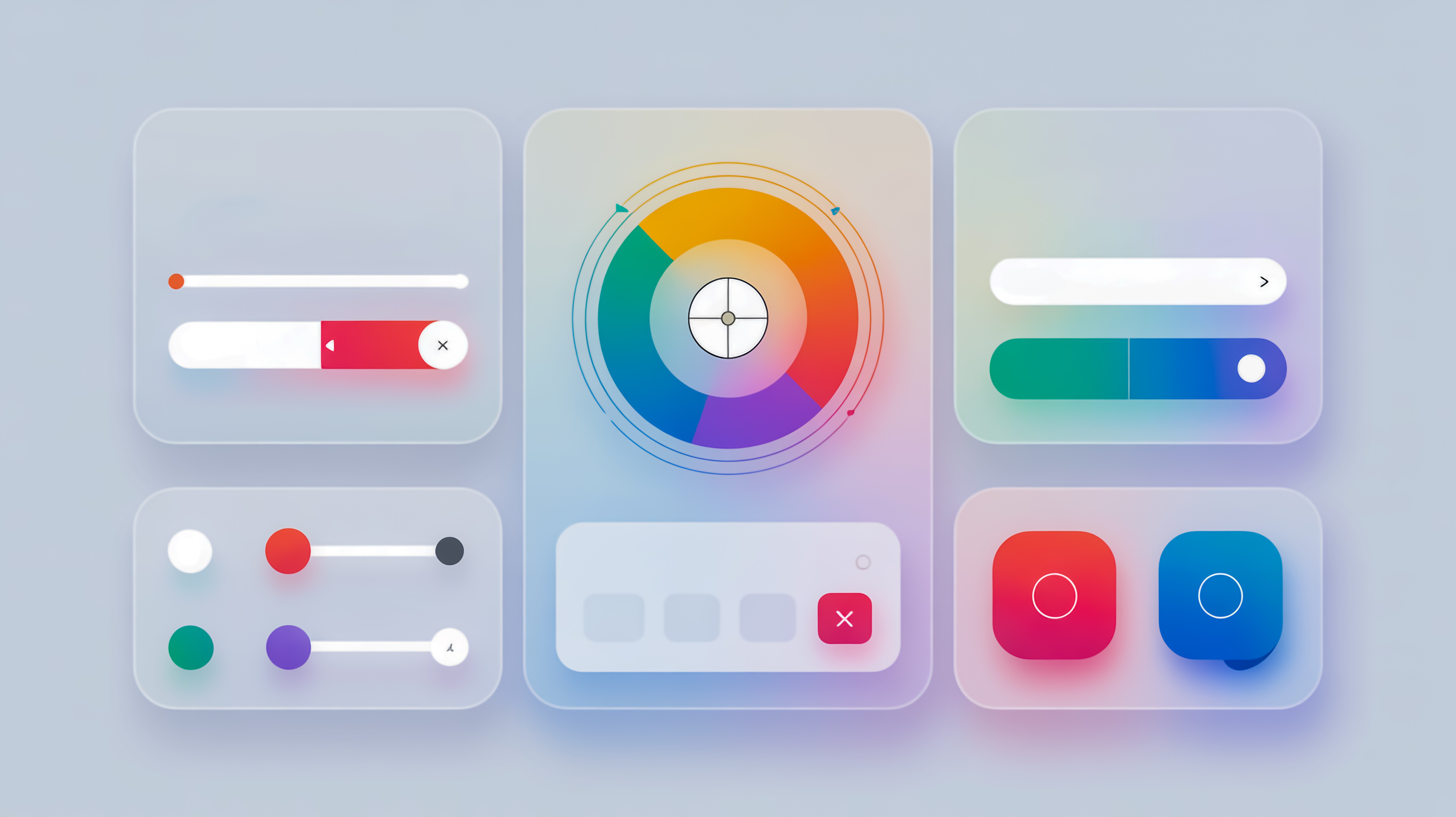
Color is one of the fastest ways to communicate emotion, personality, and intention in design. Before someone reads a headline or understands a layout, they often feel the colors first. That’s why understanding color psychology can help designers create stronger, more meaningful experiences.
Colors don’t just decorate a design — they influence perception, mood, and behavior.
What Is Color Psychology?
Color psychology is the study of how colors affect human emotions and decision-making. While reactions can vary depending on culture, context, and personal experience, certain colors tend to create common associations.
For designers, this means color choices can shape how a brand feels, how trustworthy a website appears, or how likely someone is to click a button.
Common Meanings Behind Colors
While there are no absolute rules, these associations are widely recognized:
Blue
Trust, calm, intelligence, reliability. Common in tech, finance, and healthcare.
Red
Energy, urgency, passion, excitement. Often used for promotions and strong calls-to-action.
Green
Growth, nature, health, balance. Popular with wellness and sustainability brands.
Yellow
Optimism, warmth, creativity, attention. Best used strategically for highlights.
Purple
Luxury, imagination, mystery, innovation.
Black
Sophistication, power, elegance, minimalism.
White
Simplicity, clarity, cleanliness, space.
How to Use Color Psychology in Design
Color becomes powerful when paired with purpose. Instead of choosing colors only because they “look nice,” ask what feeling you want to create.
Consider:
Do you want users to feel trust or excitement?
Should the brand feel playful or premium?
Is the product modern, natural, bold, or calm?
What action should the user take next?
For example, a wellness brand may lean into greens and soft neutrals, while a bold streetwear brand may use high-contrast reds and blacks.
Context Matters More Than Rules
Color psychology is helpful, but it should never be treated as a formula. The same red can feel luxurious, aggressive, romantic, or playful depending on typography, imagery, spacing, and surrounding colors.
That’s why successful color systems combine psychology with context, audience, and strategy.
Use Contrast to Guide Behavior
Beyond emotion, color also helps users navigate designs. Contrasting colors can highlight important actions like:
Buttons
Links
Offers
Alerts
Key information
When used intentionally, color improves both beauty and usability.
Final Thoughts
Great designers know color is more than visual style — it’s communication. The right palette can build trust, spark emotion, and guide action before a single word is read.
Because in design, people don’t just see color — they respond to it.
More Articles

Let's build something bold.
Ready for a visual identity that demands attention? Tell me about your project and let's start designing.